Source Eye Cream Jar for Cosmetic Packaging and Skincare
Find 30 options for eye cream jar packaging, including glass and acrylic materials with custom colors and silk screen printing. Compare MOQs, lead times, and OEM services to select the right container for your brand; compare the available evidence and request quotations based on your requirements.
Key considerations
Products List
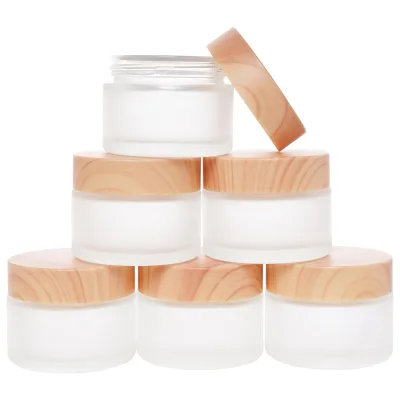


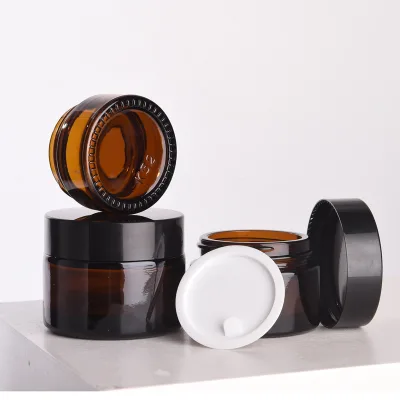


Comprehensive Sourcing Guide
Eye Cream Jar Sourcing Guide
Sourcing eye cream jars requires a strategic balance between aesthetic appeal and functional integrity, as these containers must protect sensitive formulations while aligning with brand identity. The market offers diverse materials, primarily glass and acrylic, each presenting distinct advantages for preservation and user experience. Buyers must evaluate how material choice impacts product shelf life, particularly for light-sensitive ingredients common in eye care products.
Procurement decisions are further influenced by customization capabilities, including cap colors, printing methods, and structural design. Suppliers often provide OEM and ODM services, allowing brands to tailor packaging to specific marketing needs. Understanding the interplay between material properties, such as glass clarity versus acrylic durability, and customization options is essential for selecting the right partner for high-quality cosmetic packaging.
Product Scope and Observed Listing Signals
The current market landscape for eye cream jars includes a variety of product types, ranging from small glass jars to acrylic containers with specific sealing mechanisms. Observed listings indicate a focus on cosmetic usage, with materials explicitly stated as glass or plastic, often combined with caps for secure closure. These products are frequently marketed with features like high quality, eco-friendly attributes, and customizable colors, reflecting the demand for premium and adaptable packaging solutions.
Listing signals also highlight specific model numbers and standard capacities, such as 20ml or 10-30g, which help buyers identify suitable options for their formulations. The presence of silk screen printing and custom logo services suggests that branding is a critical component of the procurement process. Buyers should note that while some listings mention eco-friendly claims, these should be verified against specific material compositions and supplier certifications to ensure accuracy.
Technical Specifications to Verify
Technical verification begins with confirming the material composition, as listings may specify glass, plastic, or acrylic, each requiring different handling and storage considerations. Buyers must verify the sealing type, such as screw caps or child-resistant closures, to ensure product integrity and safety. Additionally, the thickness of the container walls and the precision of the lid fit are critical factors that influence both the aesthetic finish and the functional performance of the jar during shipping and use.
Capacity and size specifications should be cross-referenced with the actual product dimensions to avoid discrepancies in filling and packaging logistics. Listings often provide model numbers like "wyq-10-27-6" or "SJ-69890," which serve as unique identifiers for specific designs. Buyers should request detailed technical drawings or samples to confirm that the jar’s dimensions align with their filling equipment and that the closure mechanism provides a reliable seal for viscous eye cream formulations.
Compliance and Safety Documentation
Compliance with international standards is paramount for cosmetic packaging, particularly when dealing with products that come into direct contact with sensitive skin areas. Buyers should request documentation verifying that materials meet relevant food-grade or cosmetic-grade safety standards, ensuring that no harmful substances leach into the product. While some listings mention ISO certification, it is crucial to verify the specific scope of this certification to ensure it covers the manufacturing processes relevant to cosmetic packaging.
Safety features, such as child-resistant closures, may be required depending on the target market and regulatory environment. Buyers must ensure that any claimed safety features are substantiated by independent testing reports. Additionally, eco-friendly claims should be supported by verifiable data on recyclability or material sourcing, as greenwashing is a significant risk in the packaging industry. Clear documentation helps mitigate regulatory risks and builds consumer trust in the brand’s commitment to safety and sustainability.
Cost Drivers and Commercial Terms
Cost structures for eye cream jars are influenced by material selection, customization complexity, and order volume. Glass jars typically involve higher production costs due to molding and transportation expenses, while acrylic options may offer more flexibility in design at varying price points. Minimum Order Quantities (MOQs) vary significantly, ranging from small batches for prototyping to large volumes for mass production, impacting the overall unit cost and inventory management strategy.
Commercial terms also include lead times, which can range from several days to weeks depending on the complexity of the order and supplier capacity. Buyers should negotiate clear terms regarding sample provision, as many suppliers offer free or paid samples to facilitate decision-making. Understanding the total cost of ownership, including packaging and shipping, is essential for accurate budgeting. Transparent communication about pricing tiers and volume discounts can help optimize procurement costs without compromising on quality.
Supplier Qualification and Quality Control
Supplier qualification involves assessing manufacturing capabilities, quality control processes, and past performance in the cosmetic packaging sector. Buyers should verify the supplier’s ability to handle custom orders, including logo printing and color matching, which are critical for brand consistency. Requesting references or case studies from other cosmetic clients can provide insights into the supplier’s reliability and attention to detail.
Quality control measures should include rigorous inspection protocols for defects, such as cracks, scratches, or misaligned caps. Buyers should establish clear acceptance criteria and request pre-shipment inspections to ensure that the delivered goods meet specified standards. Additionally, evaluating the supplier’s responsiveness and communication efficiency is vital for managing any issues that may arise during production or delivery. A robust quality control framework helps minimize risks and ensures a smooth procurement process.
Long-Term Procurement Checks
Long-term procurement success depends on establishing a sustainable relationship with suppliers who can adapt to changing market demands and regulatory requirements. Regular performance reviews should assess factors such as on-time delivery, product quality consistency, and responsiveness to feedback. Maintaining open lines of communication allows for continuous improvement and the development of new packaging solutions that align with evolving brand strategies.
Buyers should also monitor market trends and technological advancements in packaging materials and designs to stay competitive. Periodic audits of supplier facilities and processes can help ensure ongoing compliance with quality and safety standards. By fostering a collaborative partnership, buyers can leverage supplier expertise to innovate and optimize their packaging solutions, ultimately enhancing product value and customer satisfaction in the long run.
FAQs
Can I get custom colors for eye cream jars?
Yes, customized colors are available for these packaging solutions. Buyers can select specific cap colors such as wooden, black, or other custom options to match their brand identity. This flexibility allows for unique aesthetic designs while maintaining the structural integrity of the glass or acrylic materials used in the production process.
What is the minimum order quantity for these jars?
The minimum order quantity varies by product type, typically ranging from 5,000 to 10,000 pieces. Some specific models may require up to 20,000 pieces. Buyers should verify the exact MOQ for their chosen model number, as requirements depend on the material, customization level, and production capacity of the manufacturer.
Are samples provided for eye cream jar orders?
Samples are provided to help buyers evaluate quality before placing bulk orders. Some suppliers offer free samples, while others may provide them under specific conditions. This allows purchasers to check the sealing type, thickness, and overall finish of the glass or acrylic jars to ensure they meet their cosmetic packaging standards.
What certifications do these cosmetic jars have?
These jars often carry ISO certification, indicating adherence to quality management standards. This ensures consistent production quality for glass and acrylic packaging. Buyers relying on certified suppliers can trust that the manufacturing processes meet international benchmarks for safety and reliability, which is crucial for cosmetic products requiring strict hygiene and material standards.
How long is the lead time for production?
The lead time typically ranges from 7 to 20 days after order confirmation. This duration depends on the order volume, customization requirements, and current production schedules. Buyers planning large orders for eye cream jars should account for this window to ensure timely delivery for their cosmetic product launches or restocking needs.
What materials are used for these eye cream containers?
These containers are primarily made from glass and acrylic materials. Glass options include amber or clear variants with screw caps, while acrylic jars offer lightweight alternatives. Both materials are suitable for cosmetic packaging, providing durability and aesthetic appeal. Buyers can choose based on their preference for weight, transparency, and environmental impact considerations.